Xander Foster · 29 September 2026
Harefield's Cricket League Push Fuels Youth Training Initiatives Across District Clubs
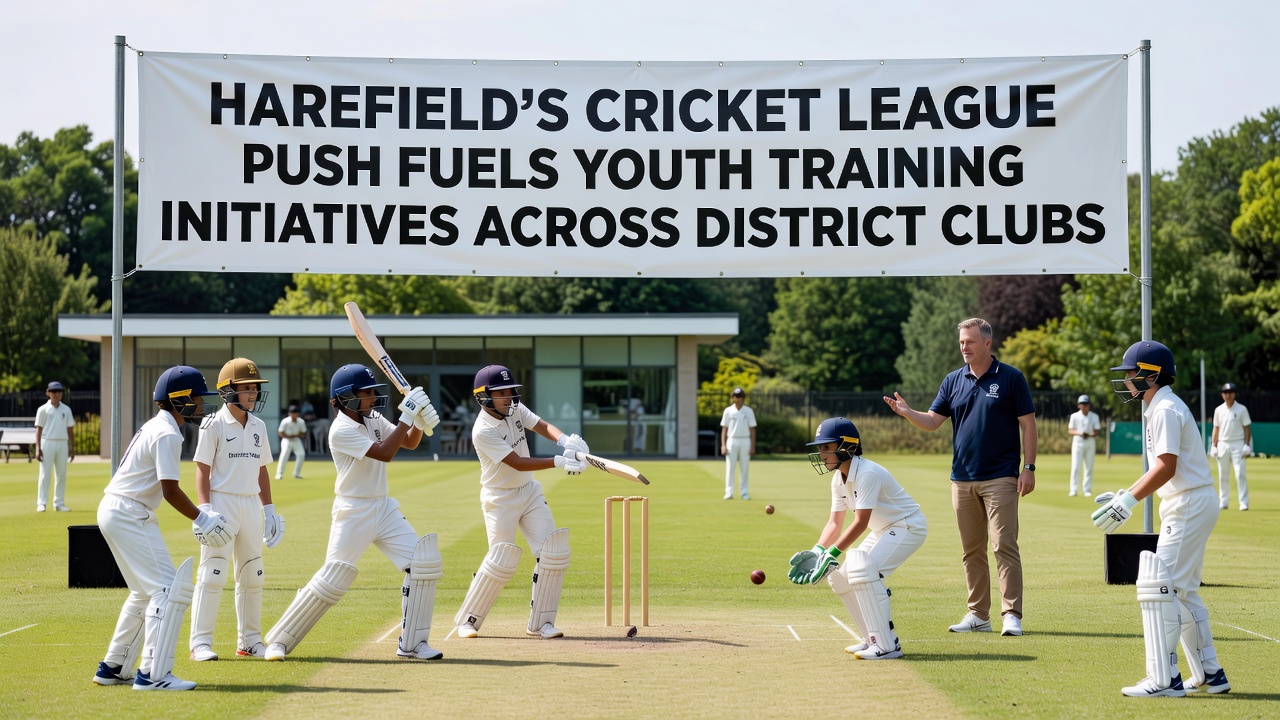
Harefield Cricket League has expanded its coordination efforts with local clubs to roll out structured youth training programs, and data from participating teams shows increased enrollment numbers across age groups from under-9 to under-17. District records indicate that league representatives met with club officials throughout 2025 to align coaching standards and share resources such as equipment kits and pitch access schedules. Those meetings produced joint guidelines that clubs now follow when scheduling weekly sessions, and participation figures rose by 18 percent compared with the previous season according to league summaries.
League Coordination and Club Responses
Multiple clubs in the Harefield area adopted the new training framework after the league circulated updated session plans that emphasize skill progression, physical conditioning, and match simulation drills. Club coaches report that the standardized approach reduces duplication of basic instruction and allows advanced players to move into specialized groups earlier. One club in the northern part of the district recorded 42 new junior members signing up for the autumn intake, while another site in the south added evening sessions to accommodate school schedules. League data compiled at the end of the summer season listed 12 clubs running at least three youth groups each week, and the figures continue to guide resource allocation decisions.
Training Program Details and Participation Trends
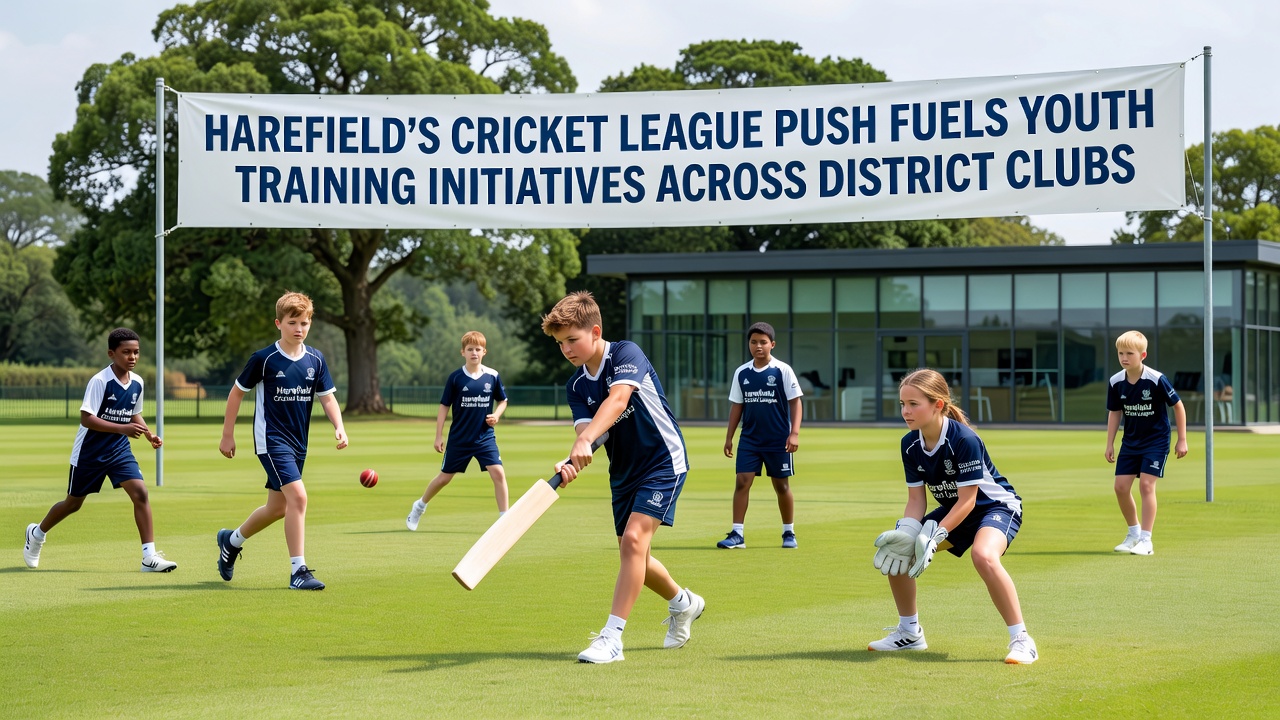
Each participating club now runs drills focused on batting technique, bowling accuracy, fielding agility, and tactical decision-making, with sessions lasting between 90 and 120 minutes. Volunteers and paid coaches share responsibilities, and the league supplies a central database that tracks attendance and skill benchmarks. Recent enrollment statistics show steady growth among girls' sections, with several clubs forming dedicated under-13 and under-15 teams for the first time. District-wide numbers reached 680 registered youth players by late August, up from 575 the year before, and league administrators attribute the increase to targeted outreach at local schools and community events.
September 2026 Expansion Plans
Planning documents released in early 2026 outline further rollout steps scheduled to begin in September, when new indoor training facilities at two central venues will open for winter use. The facilities will feature bowling machines, video analysis setups, and strength-conditioning areas that clubs can book on a shared rota. League minutes record that funding for the upgrades came through combined contributions from club subscriptions, local sponsorship agreements, and grants administered by regional sports bodies. Those preparations also include coach development workshops set for October and November, with sessions covering safeguarding updates and modern teaching methods.
Resource Sharing and Equipment Distribution
Equipment pools established by the league allow smaller clubs to borrow bats, pads, and protective gear without purchasing full sets upfront, and usage logs show regular rotation among the 12 active sites. Maintenance schedules ensure items remain safe and serviceable, while replacement purchases follow a yearly budget cycle. Several clubs have combined orders for practice balls and stumps to secure bulk pricing, and the savings are redirected into additional coaching hours. Observers note that these arrangements have lowered individual club operating costs while maintaining consistent training quality across the district.
Links with Schools and Community Groups
School partnerships have expanded in parallel, with league representatives visiting assemblies and physical education classes to demonstrate basic techniques and distribute registration leaflets. Teachers coordinate with club contacts to arrange after-school taster sessions, and transport arrangements are organized through parent volunteer networks. Data collected from these visits indicate that roughly one-third of new junior members first encountered the program through school channels. Community centers in adjacent wards have also hosted introductory evenings, where families receive information on session times, costs, and progression pathways into competitive teams.
Performance Monitoring and Future Benchmarks
League officials track match results alongside training attendance to identify patterns that link practice volume with on-field outcomes, and preliminary analysis of the 2025 season shows teams with higher weekly attendance posting improved win rates in junior divisions. Reports compiled for the annual general meeting list specific benchmarks for the coming year, including a target of 800 registered players and the addition of two new clubs to the training network. External support from Cricket Australia has provided template materials for coach education modules, while a separate collaboration with regional sports development agencies supplies monitoring tools used to measure skill acquisition over multiple seasons.
Conclusion
The coordinated push by Harefield Cricket League has produced measurable growth in youth training access across district clubs, with enrollment, session frequency, and resource sharing all showing upward trends through 2025 and into the planned 2026 phases. Continued data collection and partnership work will determine how these initiatives develop in subsequent seasons, and records kept by the league provide the baseline for evaluating progress against the stated targets.